The first time I watched a dehydrated marathoner perk up midway through an IV vitamin infusion, the change was hard to miss. Skin warmed, color returned, and the fog lifted in about 20 minutes. That single session didn’t turn them into a superhero, and it wasn’t magic. It was physiology, applied with care. If you’re considering iv vitamin drip therapy for the first time, it helps to understand precisely what it can and cannot do.
What IV therapy actually is, without the hype
IV therapy means delivering fluids and nutrients directly into a vein, typically through a flexible catheter placed by a qualified clinician. In a medical setting, intravenous fluids and electrolytes have been standard care for dehydration, surgery recovery, and certain deficiencies for decades. The recent surge in iv therapy wellness treatment focuses on micronutrient infusion blends, often called iv cocktail therapy, designed for specific goals like an immune boost drip, energy boost drip, or recovery drip after travel or intense exercise.
By bypassing digestion, iv therapy vitamin infusion drip reaches the bloodstream at predictable concentrations. That’s the main pitch: better bioavailability and faster onset compared to oral pills, especially when the gut is irritated, you’re acutely dehydrated, or you have absorption issues. For otherwise healthy people using iv therapy as preventive care or for performance optimization, the benefits usually feel subtle to moderate, not dramatic. Think clearer head, steadier energy, less nausea, faster bounce-back after a tough week.
weight loss ILWhen it makes sense to consider IV therapy
There are two distinct lanes. The first is medical, where iv therapy medical treatment is used under direct physician oversight for clear indications like severe dehydration, a known deficiency, or post-illness recovery with vomiting. The second is wellness, where personalized iv therapy aims to support hydration, micronutrient status, and recovery. Both can be doctor supervised and nurse administered, and the safest clinics keep those standards.
From experience, clients tend to get the most out of iv therapy sessions when there’s a defined purpose and a short time horizon. A traveler with jet lag, a parent recovering from a stomach bug, a triathlete after a long brick workout, or a professional dealing with burnout and poor sleep are straightforward use cases. People hoping for global life change from a monthly drip often end up disappointed. The steady habits matter: nutrition, sleep, movement, and stress management.
Common drips and what’s typically inside
The menu language varies by iv therapy infusion clinic or iv therapy drip clinic, but the core building blocks repeat. Fluids are either normal saline or lactated Ringer’s. Electrolytes commonly include sodium, potassium, magnesium, and calcium in safe, medical grade formulations. Vitamins often feature vitamin C, B complex (B1, B2, B3, B5, B6), and sometimes higher dose B12, with additions like zinc or amino acids depending on the goal. A myers cocktail iv therapy, one of the oldest and most requested blends, usually contains magnesium, calcium, vitamin C, and B vitamins. Some clinics add trace minerals.
Glutathione shows up often as an iv therapy glutathione infusion or combined antioxidant drip. It is an endogenous antioxidant that supports cellular repair and detox pathways. It’s generally given as a slow push at the end of the bag or added as a diluted infusion. Research on glutathione in wellness contexts is still developing, and responses vary. In my practice, people with high oxidative stress from training loads or poor sleep report clearer skin tone and a subtle lift in mental sharpness for a day or two.
What you might feel during and after
The most consistent immediate effect is a hydration boost. Warmth spreads through the chest and arms, and a cool taste can appear in the mouth with vitamin C. With magnesium, a gentle heaviness or muscle relaxation is common. If your B vitamins are low, a sense of calm alertness and improved focus can arrive within 15 to 30 minutes. Afterward, urine may look brighter due to B2. A small group feels lightheaded if the drip runs too fast, which is why skilled clinicians titrate the rate and monitor you.
For fatigue treatment or burnout recovery blends, the lift is usually noticeable but not jarring. Expect a smoother afternoon, not a jolt of caffeine. Post workout recovery formulations support muscle recovery and electrolyte balance. People who cramp easily often notice fewer spasms within a day. For migraine relief or headache relief, certain clinics combine magnesium and anti-nausea medication under physician protocols. When a migraine is entrenched, clinic timing matters; earlier is usually more effective.
Safety, staffing, and clinic standards
Good outcomes depend on good process. IV access is a clinical procedure. Look for an iv therapy infusion clinic that is doctor supervised and iv therapy nurse administered. Ask about their emergency readiness, including stocked epinephrine and training for anaphylaxis, and whether they use sterile, single-use supplies. Confirm iv therapy medical grade compounds from licensed pharmacies. A brief pre-infusion assessment should check vital signs, recent illnesses, medications, allergies, and pregnancy status.
Certain conditions require caution or medical clearance. Kidney disease changes how the body handles fluids and electrolytes. Heart failure, uncontrolled hypertension, and arrhythmias need a tailored plan. People with G6PD deficiency should avoid high-dose vitamin C. Those on chemotherapy or immunosuppressants need physician coordination. If you’re on diuretics or ACE inhibitors, electrolyte shifts can matter. A responsible iv therapy booking process screens for these factors.
The first appointment, step by step
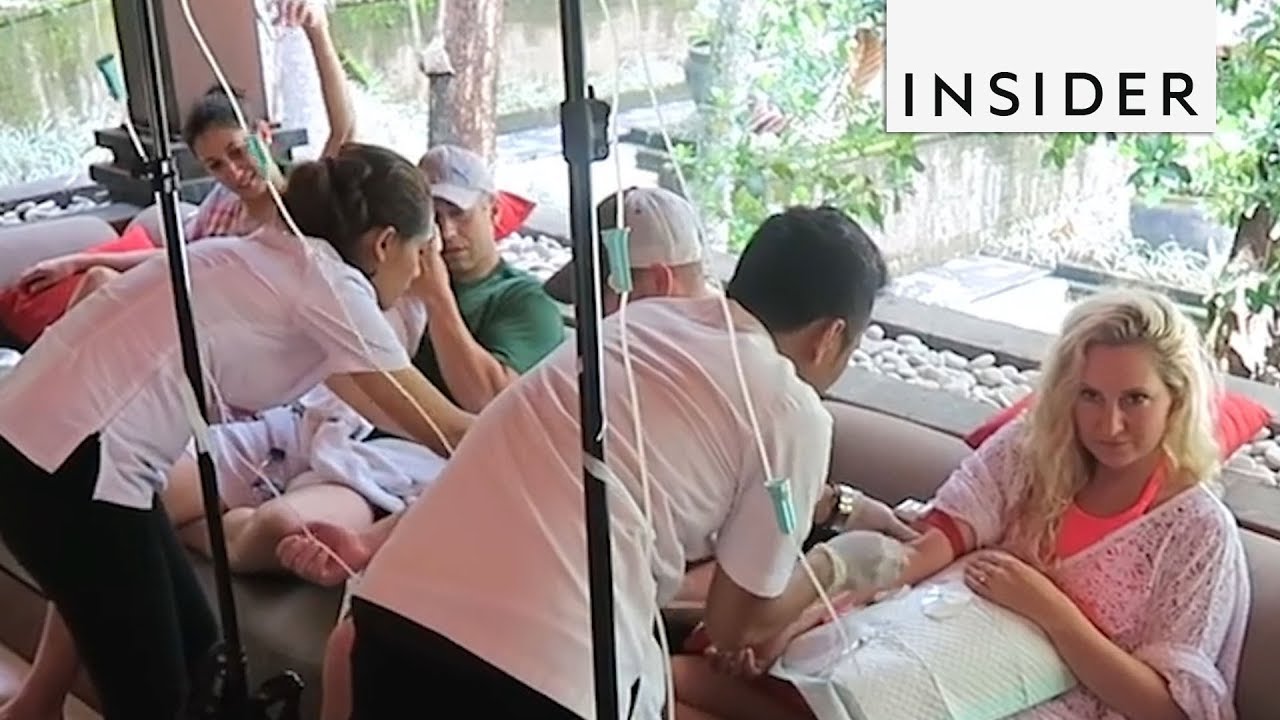
Expect a short intake focused on your goals and history, then a vein assessment. An experienced nurse will place a small catheter, secure it, and start the infusion at a conservative rate, adjusting to comfort. For a standard 500 to 1,000 milliliter bag with vitamins, you’ll sit for 30 to 60 minutes. Some clinics offer iv therapy same day appointment options or iv therapy walk in availability, though I advise calling ahead to ensure appropriate staffing. Same day works well for travel recovery, hangovers, or mild dehydration as long as screening is done.
During the drip, you can read or work. Good clinics check in every few minutes. If you feel cold, they’ll offer a blanket. If you taste metal or feel a flush, flag it; that often just means the rate needs a tweak. Afterward, the catheter comes out, a bandage goes on, and you should drink water. Most people return to normal activity immediately. Athletes sometimes pair a recovery drip with a light meal to support glycogen repletion.
Benefits worth expecting, and where expectations should be capped
Hydration and electrolyte infusion help faster than oral fluids when you’re behind. Nausea relief with IV ondansetron or fluids alone can be dramatic when the stomach won’t cooperate. With immune defense blends that include vitamin C and zinc, the best use is early in a cold or after known exposure. The result, in my experience, is a shorter, milder arc rather than full prevention. For flu recovery, if fevers are high or symptoms are severe, seek medical evaluation first; an iv therapy medical treatment plan might include testing and antivirals.
Energy lift is real for some, especially those with low B12 or folate. If your levels are normal, the effect may still be noticeable but temporary. Antioxidant support and skin rejuvenation benefits are often reported with glutathione and vitamin C, more so as a series than a single hit. People interested in iv therapy anti aging drip packages should understand that skin quality also depends heavily on sleep, UV exposure, and protein intake.
Weight management support and metabolic support drips are commonly marketed yet frequently misunderstood. These are not fat burners. They may include carnitine, B vitamins, and MIC compounds, which can support energy metabolism when paired with a calorie plan and training. The drip creates a window where workouts feel easier and appetite stabilizes. The long-term effect still relies on your habits between appointments.

Customization: when to personalize and when to keep it simple
Custom iv therapy is appealing, but more ingredients do not equal better results. Start with a clear aim. For example, after a red-eye flight with meetings the same day, I favor a basic hydration bag with magnesium, B complex, and a moderate vitamin C dose. That combination supports cellular hydration and steadies nerves without the heavy, sleepy feeling a high-magnesium dose can cause in some. For post illness recovery after a stomach bug, I keep it light on magnesium, add balanced electrolytes, and include nausea relief only if needed.
Personalized iv therapy becomes powerful when lab data guides it. If your ferritin is low, IV iron may be appropriate, but that crosses into medical therapy and requires strict protocols. For athletes logging 8 to 12 hours of training per week, periodic magnesium and B12 checks can inform dosing. For frequent flyers chasing jet lag recovery, scheduling iv therapy appointments right after landing can cut the fog, especially when combined with light exposure and movement.
Frequency and maintenance: how often is reasonable
Assuming normal kidney and cardiac function, an iv therapy monthly maintenance plan is a common rhythm for people who feel a consistent benefit. Others prefer seasonal support around travel or heavy workloads. Weekly sessions make sense only with clear indications, such as a multi-week tournament, ongoing GI issues, or a time-limited recovery goal. If you do not notice benefits after two or three iv therapy sessions, reconsider the plan. Sometimes, moving resources to sleep coaching or dietitian work yields a bigger return.
When using iv therapy routine wellness plans, watch for diminishing returns. The first few drips often feel potent, then the curve flattens. That’s normal as your baseline improves. Space out visits until you find the smallest dose that maintains the effect you value.
Costs, time, and the practical math
Price varies widely by region and formulation. Basic hydration infusions tend to range from modest clinic fees to premium boutique pricing when add-ons stack up. A standard session lasts 45 to 75 minutes, with most of that seated. If you value time efficiency, choose iv therapy same day scheduling and arrive well hydrated to make the vein start easier. Clinics that manage flow well can often get you in and out over a lunch break.
For those comparing iv therapy to oral supplements, consider total absorption and timing. If you need a rapid turnaround for an event tomorrow, an iv therapy wellness infusion is the faster route. If you are building nutrient status for the season, a targeted oral plan plus occasional drips saves money and avoids needle sticks.
Side effects and how to minimize them
Minor issues are most common: bruising at the site, a transient chill, metallic taste, or brief lightheadedness. These usually resolve within minutes to hours. Vein irritation, called phlebitis, can happen if a solution is too concentrated or runs too quickly. Dilution and slower rates reduce this risk. Infection is rare when sterile technique is followed. Allergic reactions can occur to any component, which is why clinics keep emergency medications and monitor patients.
Tell your clinician if you have a history of fainting with needles, if you are on anticoagulants, or if you have had reactions to B vitamins. Eat a light snack before your visit, and avoid heavy caffeine right before, as it can constrict veins. These small steps improve comfort and the success of the iv start.
Comparing popular goals: immune, energy, recovery
Immune defense drips focus on vitamin C, zinc, and sometimes glutathione. The best outcomes show up when used early and paired with sleep and fluids. An energy boost drip leans on B complex and B12, with optional carnitine. If you struggle with afternoon slumps, try a morning session and keep notes on how long the effect lasts. Recovery drips for athletes or after long travel use balanced electrolytes and magnesium for muscle relaxation, with optional amino acids. Endurance support for back-to-back training days may include a larger fluid volume and extra potassium, but that choice should reflect sweat rates and cramps history.
For hangover cure blends, fluids and electrolytes help far more than any single vitamin. Anti-nausea medication can be appropriate after screening. Headache relief hinges on hydration, magnesium, and rest. If symptoms persist beyond a day or include neurologic signs, seek medical evaluation.
The decision to book: signals you’re a good fit
- You have a time-sensitive need: sickness recovery after a GI bug, travel recovery, or a big day on the calendar that demands you feel your best. You’ve had trouble keeping oral fluids or supplements down and need a direct route to rehydrate and refuel. You want structured preventive care around known stressors, like marathon weekends or heavy work sprints, and you’re willing to track results across sessions. You’re choosing a clinic that is doctor supervised with nurse administered care and medical grade supplies. You understand iv therapy health benefits are supportive, not curative, and you’re maintaining the foundations of wellness between visits.
Red flags and smart boundaries
Beware of any provider that promises dramatic weight loss from a drip alone or suggests stopping prescribed medications. Avoid clinics that cannot describe their sourcing for compounds, do not take vitals, or rush consent. If you have chronic disease, loop in your primary care doctor. If you feel pressured into add-ons you did not plan, start with the basics. A transparent iv therapy treatment options discussion should compare a simple hydration bag, a myers cocktail, and targeted additions, not default to the most expensive build.
A realistic timeline for effects
During the session, hydration benefits begin within minutes. By the end of the bag, many people describe sharper focus or reduced queasiness. Over the next 12 to 24 hours, muscles feel looser, and sleep may improve. Antioxidant effects from glutathione can show up as a clearer complexion within a day or two. If your goal is performance drip support for an event, consider scheduling 24 to 48 hours before to allow full distribution and to avoid any pre-race bathroom rush from fluids.
How to prepare so your session works harder
- Hydrate with a glass of water in the hour before, and eat a light snack with protein and carbs. Bring a list of your medications and supplements, and be ready to discuss any recent illnesses. Wear warm layers; vasoconstriction from cold makes veins smaller. Decide your primary outcome before you arrive, such as “reduce nausea,” “recover from flight,” or “steady energy for the afternoon.” Plan a calm 30 minutes after the session for a short walk or quiet work rather than sprinting into a meeting.
Edge cases and nuanced calls
For people with migraines, high-dose magnesium can be a friend or a foe. Too much too fast may worsen nausea. A slower infusion with careful dosing tends to land better. For those with anxiety, a mild magnesium and B complex mix at a gentle rate often creates a grounded feeling without sedation. For heavy sweaters prone to leg cramps, a recovery drip that includes magnesium and potassium after long sessions is helpful, but you still need sodium in your daily nutrition plan.
If you’re recovering from food poisoning, prioritize fluids and anti-nausea support first. A vitamin-rich bag can wait until the stomach calms. For stomach bug recovery in kids, IV therapy belongs in a pediatric-competent medical setting. Adult wellness clinics are not the right venue. Jet lag recovery blends help most when layered with morning sunlight at your destination, a short nap under 30 minutes, and a protein-forward meal.
Booking, cadence, and building your playbook
Start with one targeted session and a short follow-up note to yourself about energy, sleep, digestion, and mental clarity over 48 hours. If the effect is solid and you face similar stressors again, schedule iv therapy appointments in advance. Many clinics offer iv therapy same day slots, which are great for last-minute needs, but your best match of staff and ingredients happens with planned iv therapy booking.
Over time, refine your personal formula. Some clients discover they do best with low-dose magnesium during the workday and save higher doses for Friday evenings. Others skip glutathione if they feel wired afterward and instead use it on lighter days. The goal is consistency without dependency. IV therapy is a tool. It should support your life, not drive your calendar.
How IV therapy fits with injections and oral support
IV therapy wellness injections, such as B12 shots, are useful between infusions to maintain levels with less time commitment. They work well for those who prefer fewer clinic visits. Oral magnesium glycinate at night pairs nicely with occasional IV magnesium for muscle relaxation. Vitamin D remains best managed as an oral supplement with lab monitoring. If you’re investing in periodic iv therapy vitamin infusion drips, align your daily supplement routine so you are not doubling ingredients unnecessarily.
Final perspective from the chair-side
On busy clinic days, I still find the quiet moments tell the story. A teacher recovering from flu who finally keeps fluids down. A firefighter after a week of night shifts who leaves steadier and more patient. A cyclist who cramps less on the weekend ride. IV therapy does not replace medical care, nutrition, or sleep, but when used with intention, it can shorten the gap between how you feel and how you need to function.
If you choose to start, keep it simple, insist on skilled hands, and measure results against your own goals. A well-planned myers cocktail or focused hydration and electrolyte infusion can deliver real, if modest, gains. Used around the edges of life’s harder weeks, iv therapy can be a reliable ally, not a silver bullet.